When that lunchtime hunger hits, a person is hit with a plethora of dining options. Unlike a fine dining restaurant, where customers may plan their visit weeks in advance; QSR or fast-food customers are more spontaneous, making timely and targeted marketing essential.
As consumers increasingly seek quality, convenience, and affordability, crafting effective marketing messages for QSRs becomes a delicate balancing act. Plus, with the market's values and eating habits always changing, it's crucial for QSR marketing strategies to stay flexible and ready to adapt.
To help navigate this landscape, Voxie has compiled targeted marketing strategies specifically designed for fast-food and quick service restaurants, ensuring businesses can thrive in this competitive sector.
Refining Your Unique Selling Proposition (USP) and Brand Positioning
In the competitive world of quick service restaurants, a clear and compelling unique selling proposition (USP) is key to standing out. After all, if there’s multiple bagel shops within a one-mile radius of a prospective customer, an extra something—whether it be affordability, gourmet ingredients, or ambiance—can give you the competitive edge and win their business.
Understanding Your USP
A Unique Selling Proposition is not just a catchy tagline; it’s the essence of what makes your restaurant special. For example, think about a quick service restaurant that takes pride in using locally sourced ingredients. This commitment to local produce can be a strong USP, appealing to environmentally conscious consumers. Another example could be a restaurant known for its unique flavor combinations that aren’t found elsewhere, providing a memorable dining experience.
Perception Matters
You may think that you offer the best pizza in town or a uniquely kid-friendly experience, but it doesn’t matter what you think. What matters is what your audiences think. And, moreover, do they even care?
💡
To see this marketing principle in action, look at this QSR/William Blair value analysis; Black Rock Coffee ranked among the top QSRs for perceived value while charging $4.91 for a hot Americano. What made this accomplishment impressive was that it beat Starbucks despite pricing the same drink 40 cents higher. The takeaway? The perceived value of a QSR’s offering isn’t based solely on the asking price, but also factors in convenience, the end-to-end experience and, yes, your marketing.
To better understand your QSR’s standing within the community, do the following:
- Competitive research Are your unique selling points truly unique, or are they replicated or even outperformed by your competition?
- Hear from audiences, directly Does the market actually desire what you offer? Conduct surveys, gather feedback, and analyze customer preferences to gauge this.
- Stay tuned into shifting trends Numerous publications share new insights into what audiences prefer, nowadays. Stay informed about national trends, as they may soon make their way to your own local community.
Articulating Your USP Within Your QSR Marketing
Here’s a tip: keep your quick service restaurant’s USP short and sweet. If it takes more than a sentence to explain, it won't work effectively in your QSR marketing. Some examples of brief but powerful unique selling points:
- Fresh, local ingredients in every bite—supporting local farmers and delivering unbeatable flavor.
- We stay open later than any other pizzeria to satisfy your cravings whenever they hit.
- Delight in a family-friendly atmosphere, where kids are encouraged to play.
- Experience the true taste of Cambodia with authentic recipes and ingredients crafted to perfection.
- Get more bang for your buck with unbeatable deals and discounts on every meal.
Using Your USP as a Marketing Compass
Finally, let your USP serve as your guiding North Star for all marketing decisions. Every campaign, social media post, and promotional activity should reflect your QSR’s unique value. This consistency will reinforce your brand identity and help build loyalty among your customers.
Marketing to Your Current Customer Base: How & Why
Why Prioritize Retention and Brand Loyalty Above All Else
The beauty of the restaurant industry is that you offer something customers will consistently need—food. Repeat business is the cornerstone of success for any Quick Service Restaurant (QSR). Therefore, never to be taken for granted; competitors are always vying for their attention and trying to lure them away. By continually marketing to your existing customers, you can deepen their loyalty and integrate your establishment into their daily routines.
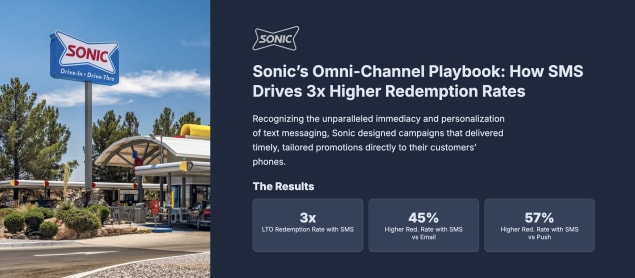
QSR retention marketing also tends to reward smart execution over big budgets. Take Sonic Drive-In: by syncing its texting platform—Voxie—with its CRM, the brand could respond to early signs of churn by automatically texting a bonus incentive before that customer drifted to a competitor. In turn, Sonic tripled its limited-time offer redemption rates; SMS specifically beat email by 45% and push notifications by 57%.
Rule Number One: Get to Know Your Customers
How well do you truly know your customers? This familiarity should extend beyond basic demographics to include their motivations, pain points, and influences—everything that makes your audience tick! By tracking buying patterns, you can craft a QSR marketing strategy that truly resonates with them. To further enhance your understanding of key demographics and what appeals to them, consider the following resources and methods:
- Conduct surveys to gather direct feedback.
- Utilize customer relationship management (CRM) tools to track purchasing habits.
- Analyze social media engagement to identify customer interests.
- Collaborate with staff to share insights from their interactions with customers.
Market to Existing QSR Customers Using Text Messaging
Imagine this scenario: you’re feeling hungry, and suddenly your phone vibrates. What’s this? A tempting discount from your favorite hoagie shop! This is the power of SMS marketing, especially for quick service restaurants.
Why Text Messaging is Perfect for QSR Marketing
SMS marketing is uniquely suited for the fast-paced world of QSRs. With an astonishing open rate of 98%, compared to email’s mere 45%, SMS offers immediate reach that encourages quick action. Let’s be honest—no one plans a QSR visit a week ahead; they go when the craving hits!
Tips for Effective Text Marketing Campaigns for Quick Service Restaurants
-
Celebrate Limited-Time Offers
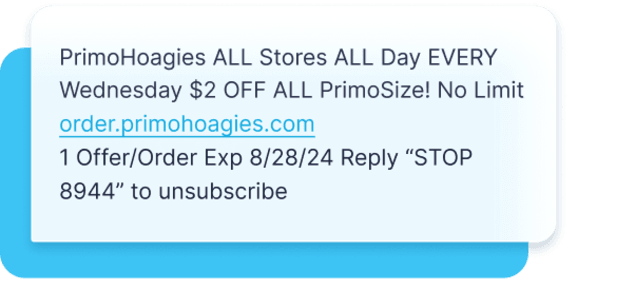
Promote exclusive deals and test which ones resonate most with your audience (e.g., examples from Primo Hoagies can be highlighted).
-
Include Ordering Links
Whenever possible, add a link for immediate ordering to facilitate quick purchases and improve tracking.
-
Optimize Timing
Send messages when people are most likely to be hungry. Experiment with different times to find the sweet spot for your audience.
-
Segment Your Audience
Utilize any known information and previous interactions to tailor your messages.
-
Keep it Short and Sweet
Aim for concise messages, both in sentence length and overall text.
-
Use All-Caps Strategically
Employ all-caps to emphasize urgent phrases like “LAST DAY” or “$3.00 OFF,” but avoid overdoing it.
Bonus: Consider using SMS to promote a contest exclusive to subscribers. Encourage customers to text photos of their meals to enter. This not only enhances brand interaction but also generates valuable user-generated content (UGC) for your social media and website.
Mix SMS With MMS and RCS Messages
While SMS is limited to plain text, MMS and RCS messages support rich media like images, GIFs, and high-resolution video. In the case of RCS, the possibilities expand even more to include interactive features like carousels and suggested replies. This provides any QSR marketing strategy with a meaningful advantage.
A photo of a fresh-off-the-grill burger alongside a limited-time offer will outperform a text-only version of the same message in most cases. Food is visual, and these formats let your marketing reflect that.
The trade-off is cost, as MMS and RCS do cost more than SMS. That makes blanket use impractical; the smarter approach is to use SMS as your foundation for consistent, high-volume outreach. Reserve MMS and RCS for moments where the visual element is genuinely doing work: a new menu launch, a seasonal promotion, or a win-back campaign where you need to grab attention. Learn more about the different types of messages you can leverage within your fast food campaigns.
Gathering Customer Feedback via SMS
Using SMS to gather online reviews can significantly enhance your restaurant's reputation and visibility. After a customer's visit, send a follow-up message thanking them for their patronage and inviting them to share their experience through a review link. For maximum results, personalize the message with the customer's name and a specific detail about their order to foster a connection. Additionally, timing is crucial; send the request shortly after their meal while the experience is fresh in their mind.
Growing Your SMS Subscriber List
To effectively expand your SMS subscriber list as a quick-service restaurant, consider the following strategies:
- Promote sign-ups through in-store displays.
- Offer exclusive discounts for subscribers.
- Use social media platforms to encourage SMS enrollment.
- Incorporate sign-up prompts on your website.
- Host giveaways that require SMS registration.
- Include a sign-up option during the checkout process.
- Utilize QR codes that link directly to the subscription page.
For more insights, check out How To Market Your Restaurant with SMS. Operating a multi-location business? Our Text Message Marketing Playbook for Franchises will equip you with tailored insights!
📚
For more insights, check out How To Market Your Restaurant with SMS. Operating a multi-location business? Our Text Message Marketing Playbook for Franchises will equip you with tailored insights!
Leverage Social Media to Nurture Connections
Social media serves as a powerful marketing tool for enhancing customer loyalty in Quick Service Restaurants (QSR). Here are some effective strategies to consider:
-
Showcase Your Team
Promote individual staff members to create a personal connection with your audience. Highlighting their stories and contributions fosters community engagement.
-
Engage with the Community
Share how your QSR interacts with the local community, such as organizing volunteer days and participating in local events. This not only builds goodwill but also strengthens your brand's presence.
-
Encourage User-Generated Content (UGC)
Hold contests that motivate your followers to submit content or promote your brand on social media. This not only increases engagement but also expands your reach as followers share their experiences.
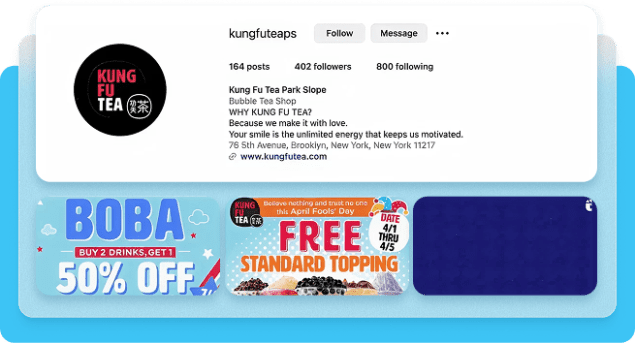
Who should take the reins of social media accounts? If you're thinking about letting each QSR location manage its own channels, it’s worth noting that while this approach is rare in the fast-food industry, it's not without precedent—just look at Kung Fu Tea!
To maintain consistency and protect your brand's integrity, having clear and effective brand guidelines is a must. These guidelines should spell out the types of content that can be personalized and the best ways to create it. Want more tips on franchise-specific promotional strategies? Dive into our in-depth franchise marketing article for valuable insights!
Loyalty Programs
A loyalty program gives customers a running reason to pick you over the QSR across the street. By implementing point systems, where customers earn rewards for every purchase, QSRs can enhance the customer experience while encouraging higher spending. These programs create a sense of value for customers and introduce gamification, making them more likely to choose a particular restaurant over competitors.
However, establishing a loyalty program is just the first step; the real challenge is making sure customers actually remember it exists so it drives increased interactions.
Keeping your program top of mind requires consistent, timely communication that gives customers a concrete reason to engage. "You're just 10 points away from a free sandwich—stop in this week to claim it!" transforms a forgotten balance into a concrete reason to visit.
The same logic applies to expiring rewards, where a simple heads-up creates urgency without requiring a discount. Beyond these nudges, high-performing loyalty programs mark moments that make customers feel recognized—a birthday perk, a "1-year anniversary" thank-you, or a notification that they've unlocked a new reward tier.
Upsell Through Bundles
Bundles are the oldest marketing trick in QSR for a reason: customers buy more when the combo feels like a deal. Pair a burger with fries and a drink at a slight discount and the average ticket climbs without anyone feeling upsold.
Seasonal Specials (For When Times are Good and Times are Tough)
By highlighting unique offerings tied to specific times of the year, businesses can create a sense of urgency and encourage customers to make purchases.
Starbucks has mastered the art of seasonal marketing with summer themed drinks. But most notably with its Pumpkin Spice Latte, turning this popular fall beverage into a cultural phenomenon that generates excitement and increased foot traffic.
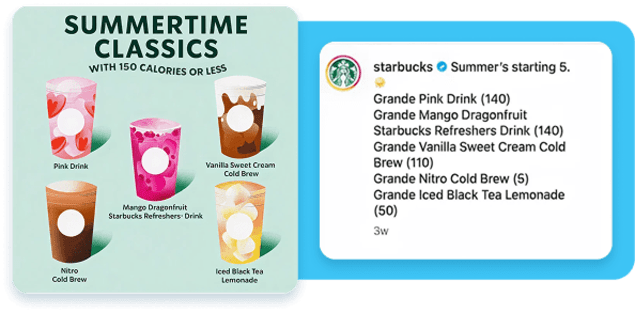
MMS is a natural fit for these QSR campaigns; a marketing photo of a limited-time dish does the selling for you, and the message can be timed to land right when cravings hit.
However, the best seasonal campaigns are those that help buffer seasonal losses. L&L Hawaiian Barbecue—a plate-lunch QSR with 200+ locations—ran an in-app lottery to fight its slow season. Every order of $20 or more earned lottery tickets, each ticket won a small prize, and every ticket also entered a drawing for larger top prizes.
As reported by LoyaltyPlant, the promotion generated $20,885 in incremental marginal profit per location and fully offset a 25% seasonal decline compared to locations running no promotion.
Offer Occasional Freebies
When a customer places a delivery order over $100, consider surprising them with a complimentary treat. Whether it’s a free dessert, extra breadsticks, or a serving of your new side dish, this small gesture can go a long way. Not only does it express your appreciation for their business, but it also provides an opportunity to introduce them to new and delicious items on your menu.
Segment QSR Customers for Better Targeting and Smarter Spend
Not every customer on your marketing lists has the same relationship with your brand—so why send them the same messages? Regardless of whether you’re leaning on email or text messaging, segmenting subscriber lists allows you to tailor outreach based on what you actually know about each customer, including:
- How often they visit
- What they order
- How they respond to promotions
- Loyalty program status
- Preferred QSR location
- How recently they've engaged
Importantly, this type of segmentation should be dynamic, updating in real-time rather than reflecting a fixed point in time. For instance, if a previously active customer hasn’t visited your fast food location in the last 30 days, they should automatically move into a segment that receives “win-back” messaging. Similarly, if a customer who previously frequented your Pittsburgh location now consistently visits your Columbus storefront, they should be added to that franchisees’ subscriber list.
QSR audience segmentation should impact more than your marketing messaging; it should inform your budget allocation. When you identify your highest-value customers—those who visit frequently, spend more, or respond reliably to promotions—you can concentrate your SMS and email sends on the audiences most likely to convert. Meanwhile, you can reserve win-back messaging and incentive-heavy offers for lapsed customers who need a stronger nudge.
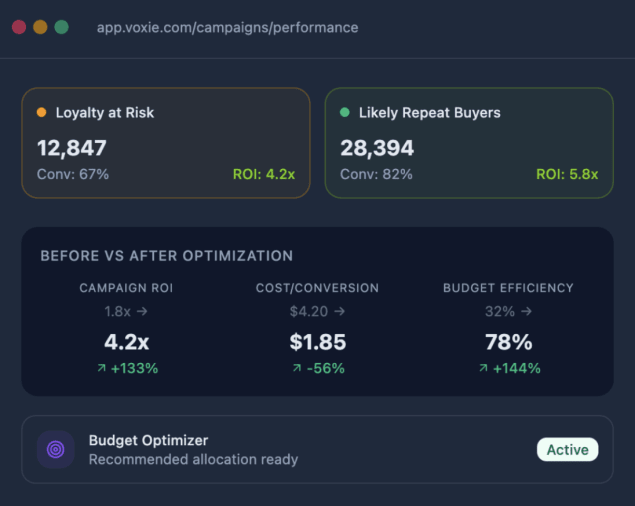
The result is fewer wasted sends, lower cost-per-conversion, and a clearer picture of what your marketing dollars are actually doing.
Platforms like Voxie make this level of segmentation accessible for QSR operators, even across multiple locations. Voxie's Budget Optimizer pairs dynamic audience segmentation with predictive analytics, helping brands identify which segments are worth prioritizing before a single message is sent.
Learn about the Budget Optimizer.
Most Importantly, Never Alienate Your Core Audience
By keeping your existing customers in the forefront of your QSR marketing strategy, you can sidestep a surprisingly common faux pas—trying too hard to market to new audiences that you turn-off existing ones. Consider these notable examples:
The Arch Deluxe from McDonald's aimed to target an adult demographic with a more sophisticated burger, and spent as much as $150 million to market it. Alas, it failed to resonate with customers, leading to its discontinuation. The marketing misstep highlighted the challenge of rebranding a family-friendly fast-food chain while alienating its core audience.
Marketing Your QSR to New Audiences
In today's competitive landscape, effectively marketing your Quick Service Restaurant (QSR) to new audiences is crucial for growth. One of the most powerful tools at your disposal is local SEO, which can significantly impact your visibility in search results and drive more customers to your establishment.
Understanding Local SEO
Local SEO refers to the practice of optimizing your online presence to attract more business from relevant local searches. For restaurants, it's vital because it helps potential customers find your QSR when they're searching for dining options nearby.
How to Optimize for Local Search
- Build Your Google My Business Listing. This is one of the first steps in establishing your online presence. Make sure to complete your profile with accurate information, including your address, phone number, and hours of operation.
- Choose Categories and Descriptions Wisely. Select relevant categories for your business and write a compelling description that highlights what makes your QSR unique.
- Encourage Reviews on Google My Business. Actively prompt customers to leave reviews on your Google My Business profile, as this can enhance your credibility and attract new patrons.
- Follow Google’s Guidelines. Familiarize yourself with Google’s guidelines to optimize your listing effectively. This includes showcasing your menu and setting up separate listings if you have multiple locations.
- Don’t Forget About Bing Places. While Google is the dominant search engine, don’t overlook Bing Places for additional visibility.
- Train Franchisees to Respond to Reviews Promptly. Franchisees should know to respond to all new reviews within 24–48 hours, have a basic framework for handling both positive feedback and common complaints, and understand the difference between a routine negative review and one—involving food safety, allergic reactions, or staff conduct—that requires immediate escalation to corporate.
Optimize Your Website
In addition to local SEO practices, ensure that your website has local information integrated throughout. If you operate more than one location, consider dedicating individual pages for each branch. This not only improves user experience but also enhances your chances of ranking higher in local searches.
Targeted Ads
Paid search and display ads are invaluable tools for QSR marketing, particularly when focused on local targeting. By strategically investing in these ads, restaurants can effectively reach potential customers in their geographic area, promoting menu items and special offers to drive foot traffic. For optimal results, it’s advisable to entrust these campaigns to experienced professionals who can navigate the complexities of ad placements and audience targeting, ensuring that your QSR’s marketing budget is used efficiently.
In addition to search and display ads, paid social campaigns can unlock new opportunities for engagement. Each advertising channel has its unique strengths in connecting brands with relevant audiences. For instance, Meta's Lookalike Audiences feature enables businesses to target potential customers who share similar traits and behaviors with their existing customer base, thereby enhancing the effectiveness of advertising campaigns.
Local Influencer Marketing
Local food influencers have greater influence than their budgets would suggest because their followers actually live near your stores and trust their taste. By leveraging their credibility and reach, QSR brands can effectively engage with consumers who are more likely to trust recommendations from someone they see as a peer.
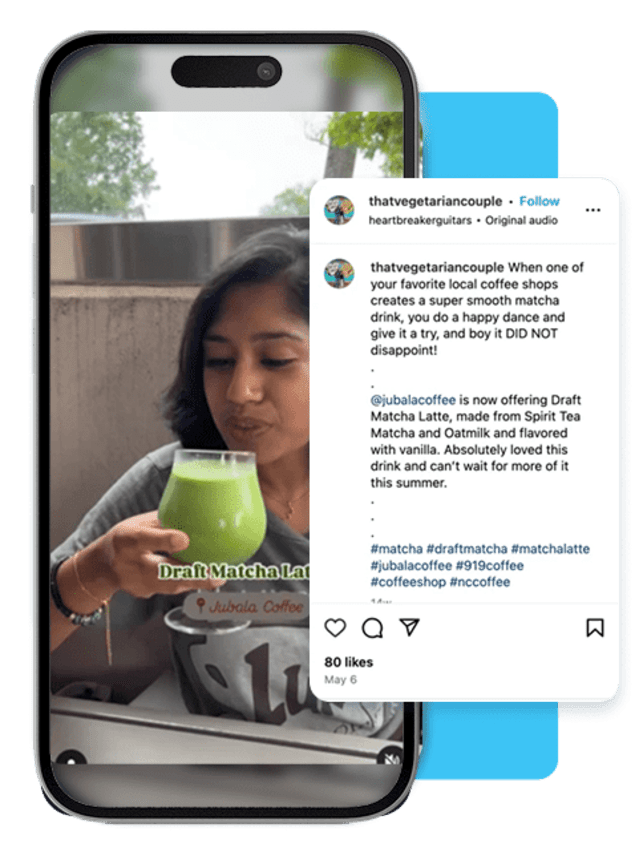
When assessing which influencers can boost your QSR’s localized marketing, look beyond merely their follower count. Consider:
- Genuine local rootedness: Do they consistently post about your city or neighborhood, or is their content geographically scattered? A creator who regularly features local spots carries far more credibility with your target audience than one who happens to be nearby.
- Engagement over reach: A food blogger with 4,000 highly engaged followers is often more valuable than one with 40,000 passive ones. Look at comment quality, not just likes—are followers asking questions, tagging friends, and sharing?
- Audience alignment: Does their following reflect your customer base? A creator whose audience skews toward families is a better fit for a kid-friendly QSR than one whose followers are primarily young professionals.
- Content quality and consistency: Review their existing food content critically. Are the photos well-lit? Is the writing genuine and specific, or does it read as generic praise? Quality content reflects on your brand.
Weighing the Pros and Cons of Coupon Sites
When considering a partnership with coupon sites like Groupon or Living Social, it's essential to evaluate both the advantages and disadvantages. On the positive side, these platforms can drive substantial foot traffic by attracting new visitors to your business. This influx can lead to increased visibility and potential long-term customers.
However, it's important to acknowledge the trade-off involved—partnering with these sites often means sacrificing significant profit margins.
Craft a Local PR Strategy
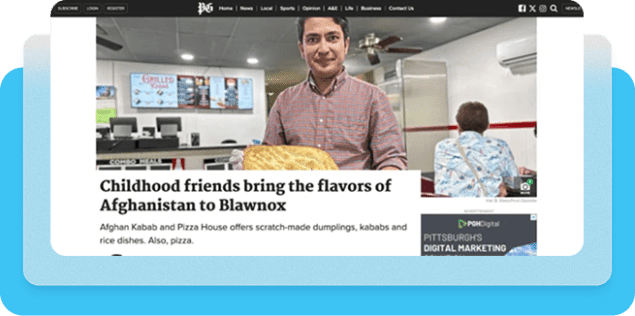
A seasoned PR professional can be instrumental in securing valuable coverage from local press. By leveraging their connections and expertise, they can help you gain visibility in various formats, such as listicles, human interest stories, and newspaper features.
Consider Cross-Promotional Marketing Campaigns for Your QSR
Cross-promotional campaigns can significantly boost brand awareness and enhance the customer experience. By collaborating with other brands, you not only introduce your products to a new audience but also create a more engaging experience for your customers. For instance, when Mike’s Hot Honey partnered with Sbarro, it allowed the honey brand to reach pizza lovers who might not have been familiar with their offerings. This kind of collaboration can generate excitement and buzz around both brands.
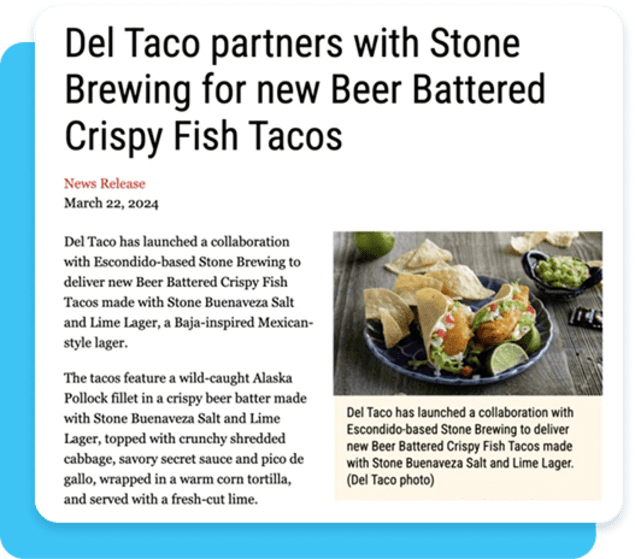
A great example of effective cross-promotion is the partnership between Del Taco and Stone Brewing, which introduced new beer-battered crispy fish tacos to their menu. Such initiatives not only attract attention but also encourage customers to explore new flavors, benefiting both brands in the process.
Marketing Tips for Strengthening Your Overall QSR Brand
As important as driving awareness and engagement may be, all strategies will fall short if not paired with tactical brand building.
Don’t Cut Corners in Regards to Imagery and Video. High-quality visuals are essential in attracting customers and conveying the quality of your brand. Invest in professional photography and videography that showcases your food and ambiance, as they can significantly enhance your online presence and entice potential diners.
-
Make your online menu clear and attractive. Your online menu is often the first interaction customers have with your brand. Ensure it's visually appealing and easy to navigate, with mouth-watering descriptions that highlight key ingredients and offerings. This clarity can lead to increased orders and customer satisfaction.
-
Market to the off-premise fast food customers. Delivery and takeout now represent a significant and growing share of QSR revenue, yet many marketing strategies are still built around the in-store experience. Make sure your off-premise presence is just as polished—that means accurate, complete listings on third-party delivery platforms, photos that hold up on a small screen, and packaging that keeps food looking appealing by the time it arrives. Where possible, give customers a reason to order directly rather than through a third-party platform, whether that's a modest discount, loyalty points, or simply a faster checkout experience on your own app or website.
-
Consider the packaging and presentation of the food. The way your food is packaged and presented plays a significant role in customer perception. Evaluate whether your packaging aligns with your brand identity and enhances the overall dining experience. Thoughtful design can leave a lasting impression and encourage repeat business.
-
Curate and display UGC across various digital platforms
User-generated content (UGC) can be a powerful marketing tool for QSRs. Showcase authentic customer experiences on your social media and website to build trust and engagement. Encouraging patrons to share their moments with your brand fosters community and can attract new customers.
-
Align Your sign, storefront, and general atmosphere to your USP
Consistency is key in branding. Make sure that your signage and storefront reflect your unique selling proposition (USP), creating a cohesive image that resonates with your target audience. Don’t forget your logo—it should be prominently displayed and easily recognizable to reinforce brand identity.
How to Increase the Likelihood of Marketing Campaign Success
To enhance the effectiveness of your QSR’s marketing campaigns, consider the following strategies:
Leverage Data Whenever Possible
Utilizing data is crucial for informing your QSR marketing strategies. Insights into foot traffic patterns and top-performing menu items can guide your decisions. Additionally, collecting data on past marketing campaigns can help refine future efforts. Tools like surveys can provide valuable feedback.
Gather Qualitative Feedback
Understanding customer perceptions is key. Engage in social listening to capture sentiments about your brand. Insights from individuals closer to customers, such as franchisees and employees, can offer invaluable perspectives. Conducting focus groups can also provide deeper insights into the effectiveness of your marketing initiatives.
Monitor Competitors’ Tactics
Staying informed about competitors is essential. Subscribe to their SMS feeds and follow them on social media to keep track of their marketing strategies and tactics.
Diversify Your Tactics and Budget
Effective QSR marketing efforts should be multi-faceted. A diversified approach will help reach a broader audience and optimize your marketing budget for maximum impact.
Build a Well-Integrated Tech Stack
Your marketing is only as strong as the systems behind it. A POS system, CRM, loyalty platform, and SMS tool that don't communicate with each other create data silos that make personalization, attribution, and campaign management needlessly difficult. For QSRs, prioritizing integrations between these core systems means customer data flows where it's needed—so that a purchase in-store can trigger an SMS follow-up, a loyalty milestone can prompt an automated reward, and campaign performance can be measured against actual revenue. Read about the Best Software for QSRs: POS & Other Restaurant Management Tools.
Utilize Technology for Enhanced Customer Experience
Leveraging technology can greatly enhance customer interactions. Platforms like Voxie enable you to provide an exceptional customer experience. The Voxie SMS platform offers intelligent audience segmentation, in-depth personalization, and two-way communication, allowing you to foster meaningful relationships with your customers rather than merely sending out ineffective mass messages. Click here to learn more about how Voxie caters to restaurants’ SMS needs.
TL;DR
To effectively strengthen your Quick Service Restaurant (QSR) brand, focus on high-quality imagery, a clear and attractive online menu, and consistent branding across all platforms. Consider collaborating through cross-promotional campaigns to tap into new audiences and enhance customer experience. Collect and leverage data to inform your marketing strategies, while actively seeking qualitative feedback from customers. Keep an eye on competitors' tactics and diversify your marketing efforts to reach a broader audience. Embrace technology, such as SMS marketing platforms, to personalize customer interactions and foster loyalty.
Ready to elevate your QSR’s marketing strategy?
Request a demo to experience firsthand how Voxie can transform your customer interactions and enhance your overall marketing efforts. Discover the power of action-triggered SMS campaigns, zero-party data collection, and unique grouping capabilities, making Voxie the most effective tool in your marketing stack!

About the Author
Ali Spiric
Growth Marketing Manager at Voxie